
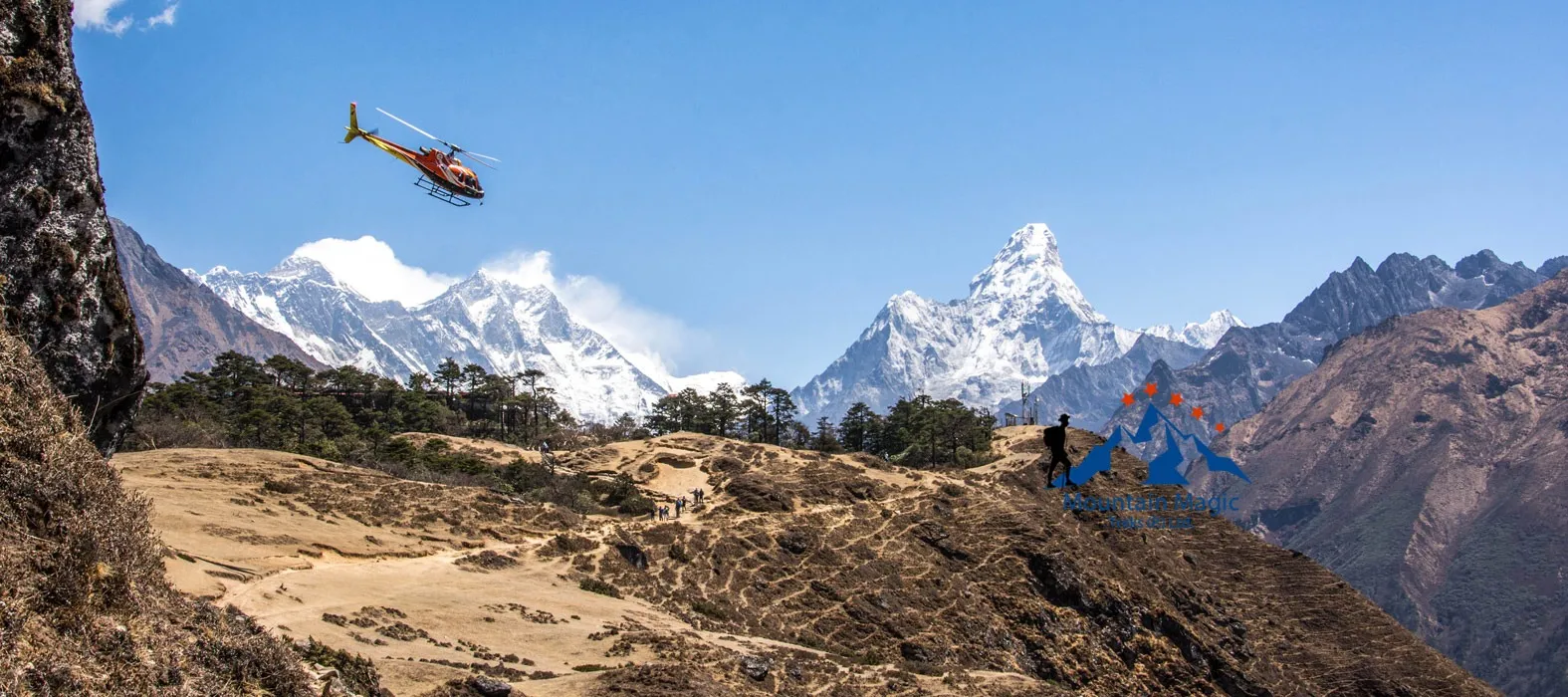
There is a point on an Everest trek when the mountains stop feeling like a picture.
They become part of your day.
You wake up to them. You walk beside them. You eat while looking at them. Sometimes clouds hide them completely, and then they suddenly appear again.
That is one reason the Everest Base Camp Trek With Helicopter Return feels different from a simple sightseeing trip. You spend enough time in the Khumbu to notice its people, sounds, weather, and daily rhythm before ending the journey with a flight over the region.
Morning in the Khumbu Starts Early
Mountain mornings have their own character.
The air can be cold when you step outside your lodge. The sky may still be dark, while the first light slowly reaches the peaks.
Trekkers begin packing. Guides check the day’s route. Breakfast is served. Porters prepare loads for another day on the trail.
Nobody needs a loud alarm to explain what comes next.
The mountains are already waiting.
Breakfast Becomes Part of the Routine
After several days, breakfast is no longer just a meal.
It becomes preparation.
A warm drink helps on a cold morning. A filling meal gives you energy for the trail. You check your water, adjust your backpack, put on your layers, and get moving.
Simple routines become important when your days are built around walking.
Sherpa Villages Give the Trek Its Character
The scenery gets much of the attention, but the villages make the route feel human.
Namche Bazaar, Tengboche, Dingboche, and other settlements are not simply overnight points on a map. They show how people have built lives in a difficult mountain environment.
You may pass small shops, lodges, prayer wheels, stone walls, and homes along the trail.
The Buddhist influence is also easy to notice.
Prayer flags move in the wind. Mani stones line parts of the trail. Monasteries sit in quiet locations above or beside the villages.
The Everest Base Camp Trek With Helicopter Return gives travelers time to experience these details instead of rushing directly toward Everest.
The Trail Has Its Own Soundtrack
Forget headphones for a while.
The trail already has plenty to hear.
A river can roar far below you. A suspension bridge may shake slightly as people cross. Wind can move through the trees. Bells from pack animals may sound somewhere ahead.
Then there are the quiet sections.
Sometimes you can walk for several minutes with nothing but your footsteps and the wind around you.
That silence can feel unusual for anyone used to city life.
People You Meet Can Change the Day
One of the strange things about trekking is how quickly people start talking.
You may share a table with someone you have never met.
A simple conversation about the trail can turn into a story about where they traveled from, why they chose Everest, or how their journey has been going.
You may never see that person again.
Still, they become part of your memory of the trek.
Guides Are More Than Trail Leaders
A good guide does much more than point toward the next village.
They understand the route, watch the pace of the group, help with practical problems, and know the local environment.
They can also explain things that a visitor might otherwise miss.
A building, a monastery, a mountain name, or a local custom can mean much more when someone explains its background.
Altitude Changes the Way You Travel
The higher you go, the less useful it becomes to think like a normal tourist.
You cannot simply rush through every stop.
The itinerary includes acclimatization in Namche Bazaar and Dingboche because altitude needs to be taken seriously. The trip reaches a maximum elevation of about 5,545 meters at Kala Patthar.
Your body needs time.
That means slower walking, proper rest, enough fluids, and paying attention to how you feel.
The mountains reward patience more than speed.
The Landscape Keeps Changing Without Warning
One hour can feel completely different from the next.
You may walk through a section with trees and then emerge into a wide open valley.
A mountain can disappear behind clouds and return minutes later.
Snow can cover distant ridges while the trail beneath your feet remains dry.
This constant change keeps the journey interesting.
You are never looking at exactly the same scene for very long.
The Helicopter Adds One Final Surprise
After all those days on foot, the helicopter feels almost unreal.
You have spent hours judging distance by walking time.
Now the same valleys pass underneath you in a fraction of that time.
The published itinerary describes the return from the Gorakshep area toward Kathmandu, with possible stops around places such as Hotel Everest View or Namche Bazaar depending on weather and flight conditions.
From above, the route becomes easier to understand.
You can see how villages sit inside the valleys and how the trails connect them.
Look Back Before You Leave
The return flight is a good moment to think about the journey.
The first day may have felt completely different.
You started with fresh legs and a normal appetite. Later, you adjusted to altitude, longer walking days, colder mornings, and thinner air.
Now you are leaving the same region from the sky.
That contrast is one of the most interesting parts of the Everest Base Camp Trek With Helicopter Return.
Keep the Flight Flexible
There is one practical reality travelers should remember.
Mountain weather does not follow your itinerary.
The trip page notes that helicopter flight times can change with weather conditions.
Cloud, wind, and visibility can affect operations.
So leave some space in your travel schedule.
If you have an important international flight, do not create a plan with zero room for delays.
Flexibility is part of sensible Everest travel.
What You Take Home Is Not Just a Photo
Photos are easy to collect.
Memories are different.
You may remember a quiet morning in Namche. A meal after a tiring walk. A conversation with your guide. A monastery on the hillside. The first clear view of a huge peak.
Then there is the helicopter ride.
The mountains that once looked impossibly large become part of a giant landscape beneath you.
That is the kind of memory that stays useful long after the trip ends.
FAQs
How long is the Everest Base Camp Trek With Helicopter Return?
The published package is a 10-day Kathmandu-to-Kathmandu trip, including trekking, acclimatization, and the helicopter return.
Where does the helicopter pick up trekkers?
The itinerary describes pickup from Gorakshep or a nearby higher location, depending on conditions.
Does the trip include cultural experiences?
Yes. The route passes through Sherpa villages and includes areas known for Buddhist culture and monasteries, including Tengboche.
When is the trek usually best?
The published page recommends spring and autumn, with March to May and September to November offering generally favorable trekking conditions.
Conclusion
The Everest Base Camp Trek With Helicopter Return is not memorable only because you reach Everest.
It is memorable because of everything happening between the starting point and the final flight.
Cold mornings. Busy village trails. Quiet valleys. Sherpa hospitality. Buddhist traditions. Changing mountain views. Long walking days.
Then, at the end, you rise above it all.
The journey begins with your feet on the trail and finishes with the Himalayas spread out beneath you. That change in perspective gives the whole adventure a fitting final scene.